Energy
 Lite
Lite
Lite
This is the Oil Refinery Capacity in 2022; Cepu is the Largest

Erlina Fury Santika
13/09/2023 19:01
WIB

Memuat...
The Indonesian Ministry of Energy and Mineral Resources' Directorate General of Oil and Gas compiled data on Indonesia's oil refinery capacity in 2022, with Cepu refinery being the largest. Will there

- A Font Kecil
- A Font Sedang
- A Font Besar

Access single data
This is the Oil Refinery Capacity in 2022; Cepu is the Largest
Want to get more access to Data Stories with a more affordable price? Subscribe.
By subscribing, you join us in presenting quality data.
Get:
- Premium Data Stories access
- Comfortable reading without ads
- Download data in XLS, PDF, and image format
- Access to data source information
Basic
Rp100.000
Rp50.000/month
Professional
Rp100.000
Rp150.000/month
Institutional
For organizations
We accept the following payments:



Related Data


Latest Data Stories


BPK Finds Irregularities in PT HK's Palembang-Betung Toll Road Project
Utility
15/10/2026, 10:53
WIB

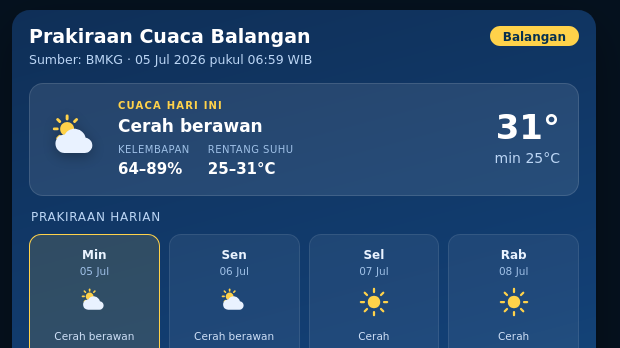
Balangan Weather Forecast Today 15 October 2026: Sunny, Temperature 25-36 °C
Demographics
15/10/2026, 10:37
WIB

Seluma Regency Local Original Revenue (PAD) Realization as of October 2026
Economics & Macro
15/10/2026, 10:14
WIB
Market Data
Macro update by
15 October 2026
| Name | Value | % | |
|---|---|---|---|
| Inflasi yoy (Sep) | 3,28% | +0.09 | |
| Inflasi mom (Agu) | 0,21% | +0.35 | |
| Economic growth | 5,11% | +0.08 | |
| Pertumbuhan ekonomi (yoy) (Q1) | 5,61% | +4.08 | |
| Persentase kemiskinan (Mar) | 8,07% | -0.18 | |
| Gini rasio (Sem2) | 0,38 | 0.00 | |
| Nilai Tukar USDIDR | 17.906 | +0.19 | |
| PDB ADHK (Q2) | 3.576,20 | +3.73 | |
| Ekspor Migas (Agu) | 992,20 | +25.98 | |
| Neraca perdagangan (Agu) | 3,55 | +2,814.03 | |
| Impor Migas (Agu) | 3,53 | -6.37 | |
| Ekspor (Agu) | 26,61 | +1.51 | |
| Impor (Agu) | 23,06 | -11.63 | |
| Kunjungan Wisman (Agu) | 1,60 | +4.89 | |
| NTP (Jul) | 116,16 | +1.32 |
Trending Topics
Popular Data